


How to Source Fair Trade Bags for Retail Shops
Why Retailers Source Fair Trade Bags for Modern Customers
Retailers today are increasingly looking to source fair trade bags that align with customer values while also supporting strong merchandising opportunities. Modern shoppers want more than functionality from a bag. They are also interested in ethical production, artisan craftsmanship, and products with meaningful stories behind them.
As consumer awareness grows, stores that carry fair trade accessories often find that customers respond positively to thoughtfully sourced products. This shift has created stronger demand for artisan bags, purses, totes, and handbags that feel distinctive while supporting responsible business practices.
For many boutiques and retail shops, these types of collections help create a more memorable shopping experience while differentiating inventory from mass-produced accessories commonly found elsewhere.
Popular Purses, Totes, and Handbags That Perform Well
 Understanding which bags consistently perform well can help retailers make smarter wholesale purchasing decisions. Different categories appeal to different customers, so having a balanced selection is important when building retail collections.
Everyday Totes
Totes remain one of the most versatile accessory categories in retail. Customers use totes for shopping, commuting, travel, and everyday organization. Lightweight construction, durable materials, and practical sizing all contribute to strong sales performance.
Many retailers prefer bags made with woven cotton, textured fabrics, or artisan-inspired details because they offer a more distinctive presentation on display tables and shelves.
Crossbody and Shoulder Bag Styles
The classic shoulder bag continues to perform well because it combines style and convenience. Customers often gravitate toward styles that can transition easily between casual and everyday fashion use.
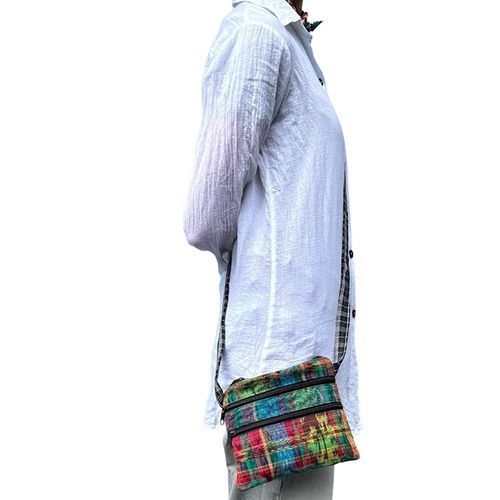
Crossbody bag styles also remain popular in boutique settings because they are lightweight and easy to merchandise.
Artisan Handbags
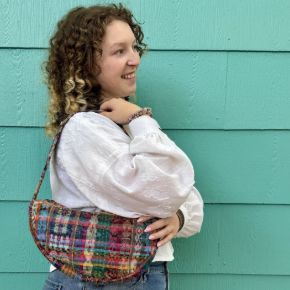
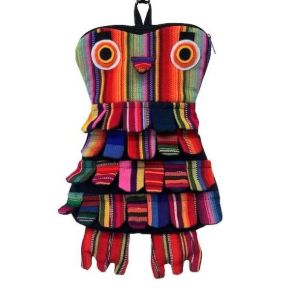
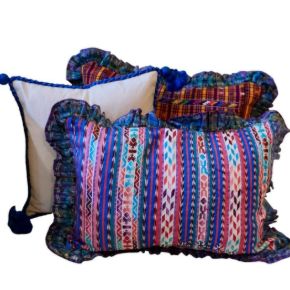
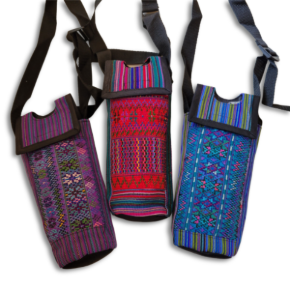
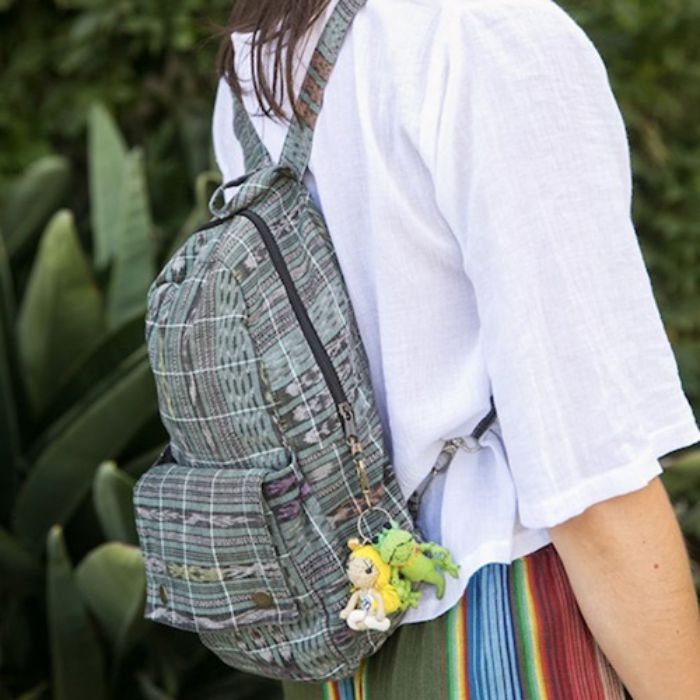
Unique handbags featuring woven patterns, colorful textiles, or handcrafted details often appeal to shoppers looking for meaningful accessories. These bags made with artisan influence can help stores stand apart from larger retailers offering mass-produced inventory.
Compact Purses and Giftable Accessories
Smaller purses and compact bag styles frequently perform well near checkout displays or seasonal merchandising areas. These items can encourage impulse purchases and support promotional sale displays during holidays or gifting seasons.
Questions to Ask When Sourcing Wholesale Fair Trade Bags
Retail buyers should evaluate suppliers carefully when exploring wholesale fair trade bags. Strong supplier relationships help support inventory consistency, merchandising quality, and long-term retail success.
What Materials Are Used?
The quality of materials used in a bag directly affects durability and customer perception. Retailers should ask whether suppliers offer bags made from woven cotton, hemp, leather, or recycled textiles.
Eco-conscious shoppers increasingly value products made with recycled or sustainable components, especially within boutique and gift-focused retail environments.
Are the Products Consistent?
Consistency is critical when ordering wholesale inventory. Buyers should confirm that styles, colors, sizing, and construction remain reliable across future order cycles.
Reliable wholesale suppliers help retailers maintain cohesive collections and stronger customer trust.
How Transparent Is the Supplier?
Clear communication matters when evaluating suppliers for fair trade bags. Retailers should feel comfortable asking about artisan partnerships, sourcing methods, fulfillment timelines, and product availability.
Strong sourcing practices are especially important for stores that position themselves around ethical retail values.
Ethical and Eco-Friendly Considerations for Bags
Many retailers now prioritize ethical sourcing as part of their overall business strategy. Carrying fair trade accessories can help stores connect with customers who value responsible purchasing decisions.
Eco-Friendly Materials and Production
Suppliers offering bags made with woven textiles, hemp, natural fibers, recycled materials, or artisan production methods may appeal to environmentally conscious customers.
These types of products often align well with modern boutique merchandising strategies focused on sustainability and intentional purchasing.
Supporting Artisan Communities
Retailers interested in fair trade sourcing often look for suppliers that maintain long-term artisan relationships and responsible production standards.
Supporting artisan communities through ethical purchasing helps preserve craftsmanship traditions while creating meaningful retail storytelling opportunities.
Storytelling Through Accessories
Customers often engage more deeply with bags, purses, and artisan accessories when they understand how the items are made and sourced. Retailers can use this storytelling approach to create stronger product displays and more engaging merchandising experiences.
How to Evaluate Supplier Fit for Your Store
Not every wholesale supplier will align with your store’s goals or customer base. Taking time to assess supplier compatibility can help improve long-term inventory planning and merchandising success.
Product Variety and Collections
Strong suppliers typically offer multiple collections of bags, totes, purses, and accessories that support seasonal merchandising and inventory flexibility.
Retailers often benefit from having access to both staple products and more unique artisan-inspired designs.
Wholesale Support and Communication
A dependable wholesale partner should provide:
- Clear communication
- Reliable inventory availability
- Consistent fulfillment
- Transparent wholesale processes
- Stable ordering support
This type of support becomes especially important for retailers managing multiple inventory categories or planning seasonal buying schedules.
Alignment with Store Identity
Your ideal supplier should align with your retail identity and customer expectations. Whether your store focuses on artisan-inspired fashion, eco-conscious products, or colorful accessories, supplier compatibility matters when building cohesive merchandising displays.
Building Long-Term Success with Fair Trade Bags and Accessories
Retailers who successfully source fair trade bags often focus on long-term supplier relationships instead of short-term inventory purchases. Strong partnerships help create consistency, improve planning, and support better customer experiences over time.
Well-curated collections of fair trade bags, artisan purses, woven totes, and unique handbags allow stores to create retail displays that feel thoughtful and distinctive.
As customers continue looking for meaningful products, ethically sourced accessories remain an important part of modern retail fashion. Choosing reliable suppliers helps retailers confidently carry bags that combine craftsmanship, functionality, and responsible sourcing values.
Final Thoughts
The process of selecting wholesale bags involves more than comparing styles or pricing. Retailers should evaluate craftsmanship, materials, sourcing transparency, and supplier reliability before making purchasing decisions.
By choosing the right wholesale partner, stores can confidently offer artisan-inspired bag styles and accessories that support both customer expectations and long-term retail goals.