



A Buyer’s Guide to Fair Trade Women’s Clothing
Understanding Fair Trade Fashion
What Fair Trade Means in Women’s Fashion
This buyer’s guide to fair trade women’s clothing is designed to help shoppers and retail buyers better understand how ethical apparel is sourced, produced, and sold. As interest in responsible fashion continues to grow, more consumers are looking for apparel that supports fair labor practices and thoughtful production methods.
At its core, fair trade focuses on creating better opportunities for artisans and workers through transparent business practices, responsible supply chain management, and long-term partnerships. Many fair trade products are made in collaboration with artisan communities using carefully selected natural materials and traditional craftsmanship techniques.
Why Ethical Clothing Matters
The growth of ethical clothing reflects changing customer priorities. Many shoppers now want products that support fair wages, artisan craftsmanship, and environmentally responsible sourcing.
For retailers and consumers alike, choosing fair trade women’s clothing creates opportunities to support businesses that value transparency and responsible production.
A Buying Guide for Clothing Brands and Ethical Fashion
How to Evaluate Clothing Brands
A strong buying guide should help shoppers understand how to evaluate clothing brands and sourcing claims. Not every company uses the word “ethical” in the same way, so consumers should look carefully at how brands explain their sourcing and production methods.
Some helpful questions include:
- Where are products made?
- Does the company discuss artisan partnerships?
- Are labor standards addressed?
- Is there transparency around the supply chain?
Looking for Certifications
Some fashion companies pursue third-party certifications to help support sourcing transparency. While standards vary, seeing a certified fair trade or ethical sourcing program may help customers better understand production practices.
Consumers should also review whether brands clearly explain how products are made and sourced instead of relying only on marketing language.
Popular Categories in Fair Trade Women’s Clothing
 Dresses, Tops, and Layering Pieces
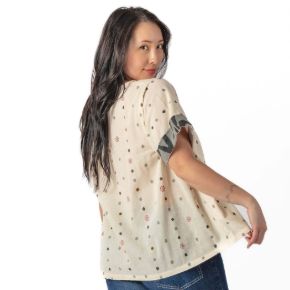
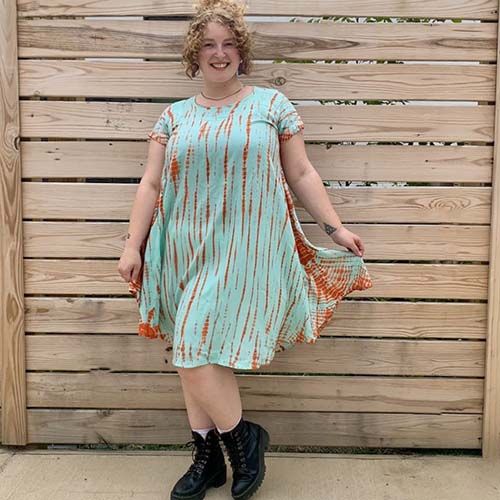
Many shoppers first explore fair trade apparel through versatile categories such as dresses, tunics, tops, and layering pieces. These styles often combine comfort, artisan craftsmanship, and wearable fashion.
Pants and Everyday Apparel
Comfortable pants, relaxed silhouettes, and casual apparel continue to perform strongly within ethical fashion categories. Customers increasingly look for pieces that feel practical while still reflecting thoughtful craftsmanship.
Seasonal Collections and Fashion Trends
Many clothing brands release rotating seasonal fashion collections featuring artisan-inspired textiles, layered styling, and versatile silhouettes. Seasonal assortments help retailers and shoppers discover new top picks throughout the year.
Fabric, Materials, and Craftsmanship Considerations
Why Consumers Prioritize Natural Fibers
Many shoppers now prioritize natural fibers and textiles when evaluating ethical apparel. Materials such as cotton, woven fabrics, and artisan textiles often appeal to customers seeking breathable, comfortable clothing.
Some ethical fashion companies also incorporate recycled materials into accessories and apparel collections.
Understanding Craftsmanship
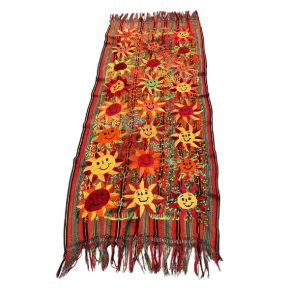
Products that are thoughtfully made often reflect stronger craftsmanship and attention to detail. Handwoven textiles, artisan dyeing methods, and textured construction techniques can help distinguish fair trade apparel from mass-produced alternatives.
Specialty Textiles and Artisan Materials
Some artisan-focused fashion collections may also feature fibers such as alpaca, woven wool, or regionally sourced textiles. These natural materials can add texture, warmth, and uniqueness to apparel assortments.
Ethical Fashion, Sustainability, and Supply Chain Transparency
Sustainable Fashion Practices
Many customers now associate sustainable fashion with transparency, durability, and responsible sourcing. Shoppers increasingly look for brands that openly discuss sourcing methods and artisan relationships.
Fair Wages and Responsible Production
One of the most important elements of fair trade production is supporting fair wages and safer working conditions for artisans and workers. Responsible sourcing practices help preserve craftsmanship traditions while supporting long-term community stability.
Why Supply Chain Transparency Matters
Understanding the supply chain behind fashion products helps shoppers make more informed purchasing decisions. Brands that clearly explain sourcing and production processes often build stronger customer trust over time.
Shopping Guides and How to Shop Fair Trade Fashion
Shopping Online and In Store
Many consumers now shop ethical apparel through boutiques, independent retailers, and online shopping guides. Retailers with detailed product descriptions and sourcing transparency often create stronger shopping experiences.
Finding the Right Size Range
When purchasing apparel online, shoppers should carefully review measurements and available size range information. Transparent sizing guidance helps customers make more confident purchasing decisions.
Building A Thoughtful Wardrobe
An ultimate guide to ethical fashion encourages shoppers to focus on versatility, quality, and long-term wearability instead of trend-driven purchasing alone.
Top Picks in Fair Trade Women’s Fashion
Everyday Essentials
Many customers begin building ethical wardrobes with versatile staples such as:
- Tunics
- Casual dresses
- Layering tops
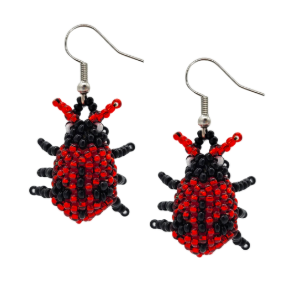
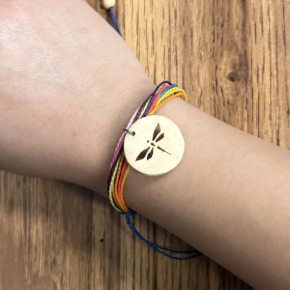
- Artisan-inspired accessories
- Relaxed pants
These items often become everyday top picks because they combine comfort with artisan craftsmanship.
Statement Pieces and Artisan Details
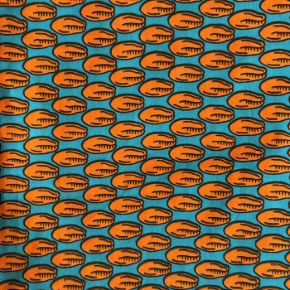
Textured fabrics, woven textiles, and artisan-inspired patterns often stand out within fair trade fashion collections. These pieces help shoppers express personal style while supporting responsible sourcing values.
Seasonal Fashion Favorites
Seasonal apparel featuring breathable cotton, layered textures, or artisan textiles often performs well for both shoppers and retailers seeking versatile fashion assortments.
Final Thoughts on Fair Trade Women’s Clothing
Choosing Fashion with Purpose
This buyer’s guide to fair trade women’s clothing is intended to help shoppers and retailers make more informed decisions about ethical apparel, sourcing transparency, and artisan craftsmanship.
As interest in fair trade and responsible fashion continues to grow, consumers increasingly want apparel that combines thoughtful design, quality craftsmanship, and transparent production practices.
Long-Term Value in Ethical Fashion
Choosing well-made apparel from transparent clothing brands helps support responsible sourcing while creating stronger long-term wardrobes and retail assortments.
Whether shopping for dresses, artisan textiles, pants, or seasonal apparel, buyers who focus on craftsmanship and ethical sourcing are helping support a more thoughtful future for modern fashion.